CFA or MBA? What the pay numbers say
 By Greg Campion, CFA, author of CFA Confidential · Published October 2026 · Updated October 2026
The CFA and the MBA end up in a similar pay range. Median pay for senior CFA charterholders in portfolio management is about $200,000 to $230,000, close to what graduates of top MBA programs earn three years out. The difference is cost: roughly $10,000 for the CFA versus about a quarter of a million dollars, plus two years of income, for a top MBA. People with both earn the most.
You might be wondering what the comparable “pot of gold” at the end of the rainbow looks like for CFA vs. MBA candidates. There’s no perfect apples-to-apples comparison, but you can get a ballpark.
How much do MBA graduates earn?
The Graduate Management Admission Council’s 2025 survey of corporate recruiters put the median starting salary for new MBA hires in the US at $125,000. The Financial Times’ 2026 MBA ranking shows graduates of the very top programs, like Harvard, Wharton and MIT Sloan, earning roughly $245,000 to $260,000 three years after graduation.
How much do CFA charterholders earn?
CFA Institute’s 2024 compensation survey of more than 17,000 members worldwide found that senior portfolio management professionals earned median total pay of about $200,000, rising to about $230,000 for those in management roles. Members who also had an MBA reported median total pay of $257,000.
| Group | Median pay | Source |
|---|---|---|
| New US MBA hires (starting) | $125,000 | GMAC, 2025 |
| Top-program MBAs, 3 years out | ~$245k–$260k | Financial Times, 2026 |
| Senior portfolio managers (CFA members) | ~$200,000 | CFA Institute, 2024 |
| CFA members in management roles | ~$230,000 | CFA Institute, 2024 |
| CFA members who also have an MBA | $257,000 | CFA Institute, 2024 |
Is the CFA or the MBA better for your career?
My takeaway: the two paths end up in the same neighborhood. A top MBA can get you there faster, especially if you’re switching careers, but it costs you a quarter of a million dollars and two years of income. The CFA can get you to a similar place for about ten thousand dollars, as long as you stay in investment management, where the charter carries real weight. And if you can manage both, the numbers suggest the combination is the best of all.
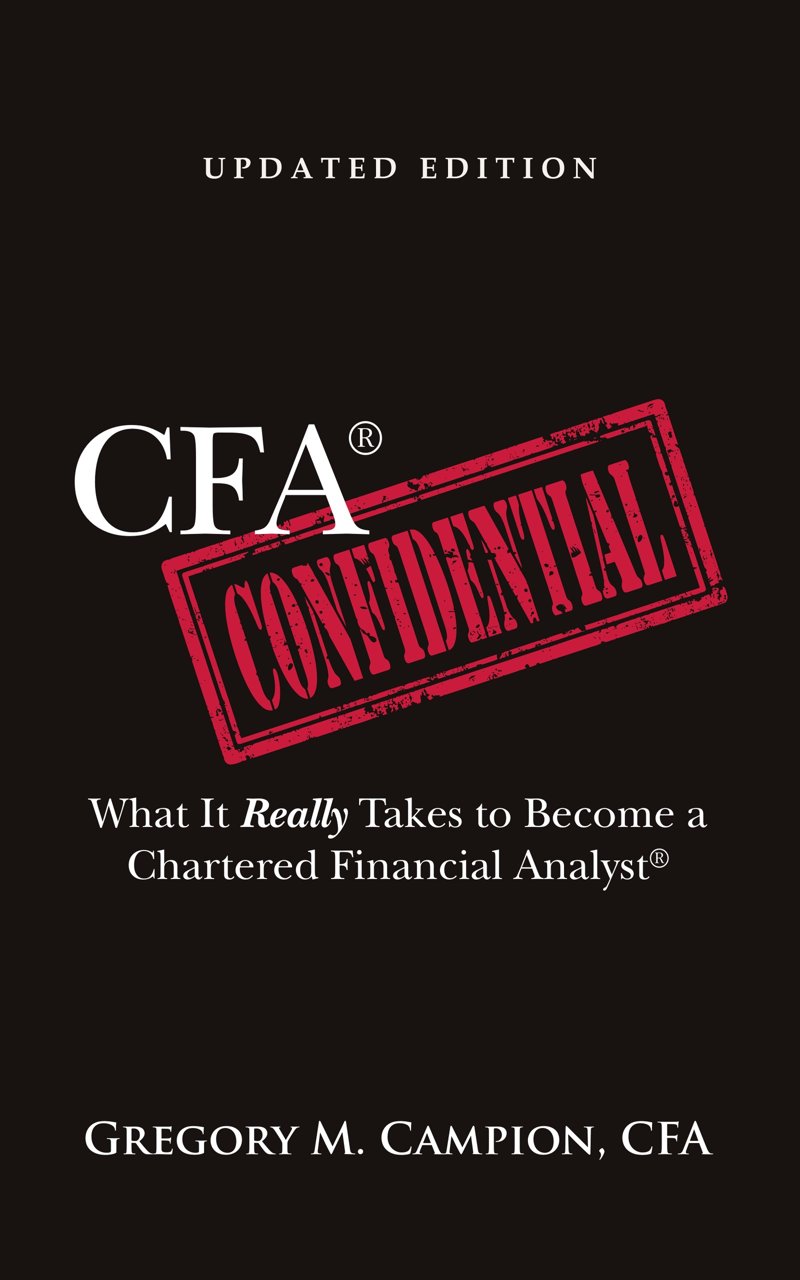
For what it’s worth, I did both: an MBA in Finance from NYU Stern, then the CFA charter in 2012. Chapter 3 of CFA Confidential walks through how to decide which one fits your situation.
Frequently asked questions
How much does the CFA cost compared with an MBA?
The CFA Program costs roughly $10,000 all in, including exam fees and study materials. A top full-time MBA costs about a quarter of a million dollars, plus two years of lost income.
Do CFA charterholders earn more than MBAs?
Not clearly. Senior charterholders and graduates of top MBA programs end up in a similar range, roughly $200,000 to $260,000 in median pay, depending on the role and the data source.
Is it worth getting both the CFA and an MBA?
The data suggests so. CFA Institute’s 2024 survey found members who also had an MBA reported median total pay of $257,000, the highest of any group.
Which is better for changing careers?
Usually the MBA. It comes with recruiting, a network and a reset. The CFA carries the most weight if you’re already in, or headed for, investment management.
Where can I read more about choosing between them?
Chapter 3 of CFA Confidential by Greg Campion, CFA, “Best for Your Career: CFA or MBA?”, covers the decision in detail, from someone who did both.